Cannabis addiction is often misunderstood, partly because many people who use weed regularly continue to work, maintain relationships, and manage their everyday responsibilities. But can you be dependent on cannabis and still function normally? The answer is yes. Cannabis dependence can develop even when someone appears to be coping well with daily life. Understanding the signs of cannabis addiction can help you recognise when recreational use may have become something more difficult to control.
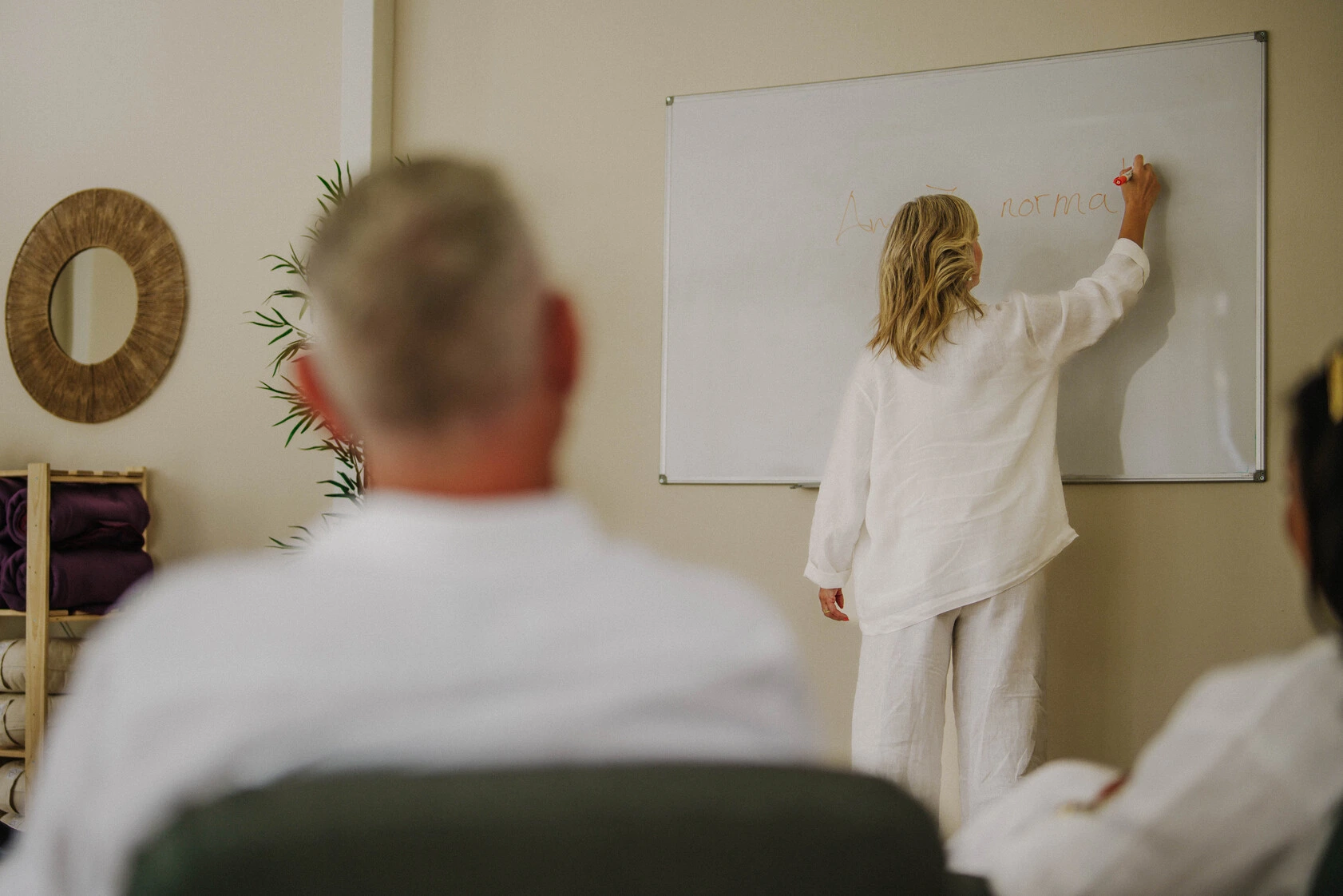
Am I Addicted to Weed?
One of the most common questions regular cannabis users ask is, “Am I addicted to weed?” Cannabis use disorder is a recognised condition that can affect a person’s physical health, mental wellbeing, and daily routine. It is not simply about how often you smoke, but also about how cannabis affects your life and whether you feel able to stop.
Signs of cannabis dependence may include needing more cannabis to experience the same effects, repeatedly trying to cut down without success, experiencing strong cravings, or continuing to use despite negative consequences. You might still perform well at work or appear happy and relaxed around friends, while privately struggling to control your consumption. Being functional does not necessarily mean your cannabis use is harmless.
Why Can’t I Sleep Without Cannabis?
Many people use cannabis to unwind or help them fall asleep. Over time, however, regular use can lead to tolerance and dependence, making sleep feel more difficult without it.
When someone reduces or stops using cannabis, withdrawal symptoms may include insomnia, vivid dreams, irritability, restlessness, and anxiety. These symptoms often begin within the first few days and gradually improve, although sleep disturbances can last longer for some people.
This can create a frustrating cycle: cannabis seems necessary for sleep, so you continue using it, but stopping feels increasingly uncomfortable. If you find yourself unable to relax or sleep without weed, it may be worth exploring your relationship with cannabis and seeking professional support.
Cannabis and Anxiety: Is Weed Making You More Anxious?
Although some people use cannabis to manage stress, its effects on anxiety can vary. Cannabis containing high levels of THC may trigger anxiety, panic, or paranoia, particularly in sensitive individuals. Frequent use can also become a way of coping with uncomfortable emotions rather than addressing their underlying causes.
If you notice that anxiety increases between sessions, or you feel unable to manage stressful situations without smoking, consider discussing your symptoms with a healthcare professional. Reducing cannabis use may help, although withdrawal can temporarily increase anxiety.
Cannabis Hyperemesis Syndrome: Repeated Vomiting and Cannabis Use
There isn’t one specific amount of cocaine that automatically means someone is Cannabis hyperemesis syndrome (CHS) is a potentially serious condition associated with prolonged, frequent cannabis use. It causes recurring episodes of severe nausea, abdominal discomfort, and vomiting. Some people experience temporary relief from hot showers, but this does not resolve the underlying condition.
Repeated vomiting can cause dehydration and other complications. If you experience persistent vomiting while using cannabis, seek medical attention. Severe symptoms, fainting, or an inability to keep fluids down require urgent medical assessment. Stopping cannabis is the main recognised way to prevent CHS from recurring.
How InnerLife Recovery Can Help
You do not have to reach a crisis point before seeking help for cannabis dependence. If weed is affecting your sleep, mood, relationships, or ability to feel comfortable without it, speaking to a healthcare professional or addiction specialist can be a positive first step.
At InnerLife Recovery, we understand that addiction doesn’t always look the way people expect it to. Someone struggling with weed dependency can still be successful, sociable, intelligent and highly functional. They may not even consider themselves to have an addiction when they first arrive for treatment.
Our approach looks beyond the substance itself. Our multidisciplinary team provides personalised treatment that addresses the emotional, psychological, and behavioural factors contributing to addiction. Through evidence-based therapies, nutritional support, trauma-informed care, and holistic approaches, we help clients develop a healthier relationship with food, and with themselves.
📞 Reach out today to learn more about our residential treatment programs. We’re here 24/7h available to help you recover and rebuild.
Contact us today for an obligation-free confidential consultation.