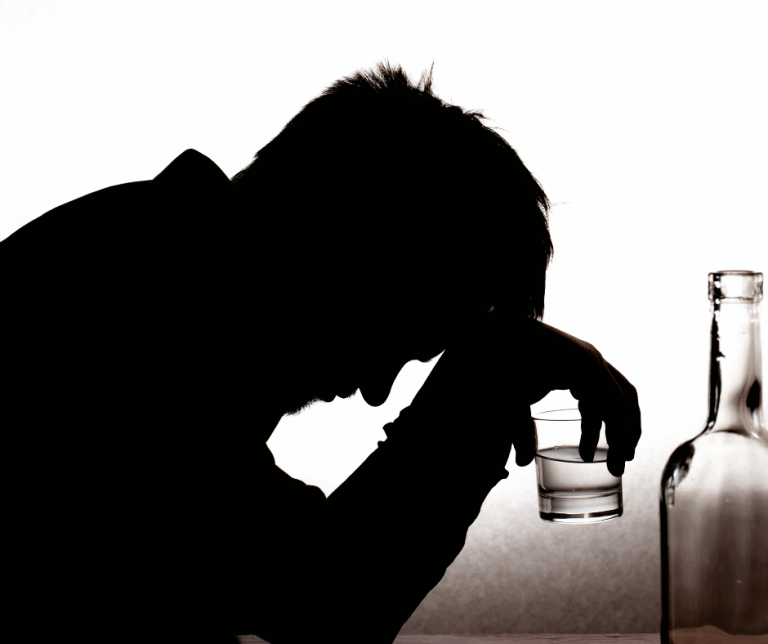
Seeking help for addiction can be one of the most courageous decisions a person ever makes.
Whether someone is struggling with alcohol dependency, drug use, gambling addiction, or another compulsive behaviour, reaching out for support often requires vulnerability, honesty, and hope. Yet for many people in the LGBTQ+ community, taking that first step can come with additional concerns.
Will I be accepted? Will I be understood? Can I be myself while receiving treatment?
These questions are more common than many people realise. While addiction does not discriminate, the experience of seeking treatment is not always the same for everyone. This is why know that creating safe, inclusive, and welcoming recovery environments matters so much.
Recovery should be available to everyone, regardless of sexual orientation, gender identity, or personal background.

Understanding the Unique Challenges LGBTQ+ Individuals May Face
Research consistently shows that LGBTQ+ individuals experience higher rates of substance use disorders compared to the general population.
This does not mean that being LGBTQ+ causes addiction. Rather, many people within the community face additional stressors that can increase vulnerability to mental health difficulties and substance use. These challenges may include:
- Experiences of discrimination or prejudice
- Family rejection or lack of support
- Bullying or social exclusion
- Internalised shame or identity-related struggles
- Higher rates of anxiety, depression, and trauma
- Pressure to conceal one’s identity in certain environments
For some individuals, alcohol, drugs, or gambling can become ways of coping with emotional pain, stress, loneliness, or feelings of not belonging. Understanding these experiences is an important part of providing meaningful and effective treatment.
Why Feeling Safe in Treatment Matters
Recovery requires honesty. People need to feel able to talk openly about their experiences, relationships, emotions, and personal history. When someone fears being judged or misunderstood because of their identity, it can create barriers to treatment and make it more difficult to engage fully in the recovery process.
An inclusive treatment environment is not simply about tolerance. It is about creating genuine psychological safety. This means ensuring that every individual feels respected, valued, and free to express themselves without fear of discrimination. When people feel safe, they are more likely to:
- Build trust with therapists and clinicians
- Participate actively in treatment
- Explore underlying emotional challenges
- Develop meaningful connections with others
- Remain engaged in recovery for the long term
The therapeutic relationship is one of the strongest predictors of positive treatment outcomes. Feeling accepted is an important part of building that trust.

Addiction Treatment Should Treat the Whole Person
Modern addiction treatment increasingly recognises that recovery involves much more than simply stopping a behaviour.
Whether someone is struggling with alcohol addiction, drug dependency, gambling addiction, or co-occurring mental health challenges, effective treatment explores the factors beneath the addiction itself. For LGBTQ+ individuals, this may include addressing:
- Trauma and adverse life experiences
- Anxiety and depression
- Identity-related stress
- Relationship difficulties
- Self-esteem and self-worth
- Experiences of exclusion or discrimination
Recovery is most effective when people are seen as whole human beings rather than simply as a diagnosis. Everyone arrives at treatment with their own story, experiences, strengths, and challenges. Respecting those differences helps create a more compassionate and effective path toward healing.truggles such as anxiety, burnout, ADHD, and emotional dysregulation.
Building a Recovery Community Based on Acceptance
One of the most powerful aspects of recovery is connection. Addiction often thrives in isolation. Recovery, on the other hand, is strengthened by belonging.
For many LGBTQ+ individuals, finding a supportive environment where they feel accepted can be transformative. Being surrounded by people who listen without judgement allows individuals to focus on healing rather than hiding parts of themselves. Acceptance does not mean everyone shares the same experiences. It means creating a culture where diversity is respected and every person is treated with dignity.
The goal is not simply to recover from addiction. It is to build a healthier, more authentic life where people can feel comfortable being who they are.
Recovery Is for Everyone
No one should feel excluded from seeking help because of their sexual orientation, gender identity, or personal background. Recovery is not reserved for a particular type of person. It is available to anyone who is ready to make a change, explore healing, and build a healthier future.
At InnerLife Recovery, we believe that every individual deserves compassionate, respectful, and personalised care. We are committed to creating an inclusive environment where people feel safe, valued, and supported throughout their recovery journey.
Because healing begins when people feel seen, heard, and accepted for who they truly are.
InnerLife Recovery: How We Can Help
The decision to seek help is never easy. It requires courage, vulnerability, and trust. For members of the LGBTQ+ community, those challenges can sometimes feel even greater. But no one should have to choose between being themselves and receiving support. Here, at InnerLife Recovery, we offer support to anyone no mater their sexual orientation, beliefs or race.
Whether someone is seeking help to overcome addiction, behavioural patterns, mental health disorders, or a combination of both; the goal is not just recovery, but long-term transformation. Our international team offers specialized treatment for mental health disorders and addiction.
📞 Reach out today to learn more about our residential treatment programs. We’re here 24/7h available to help you recover and rebuild.
Contact us today for an obligation-free confidential consultation.