For many people, completing a residential rehab program feels like reaching the finish line. After weeks or months of therapy, detoxification, personal growth, and hard work, it’s natural to feel ready to return to everyday life. Yet one of the biggest misconceptions about addiction recovery is that treatment ends when someone leaves rehab.
In reality, recovery is often just beginning. This is where secondary care becomes incredibly important. Increasingly recognised as one of the strongest predictors of long-term recovery success, secondary care provides the structure, support, and accountability many people need during the critical transition from treatment back into daily life.
Research consistently shows that people who remain engaged in recovery-focused support after primary treatment tend to achieve better long-term outcomes than those who attempt to navigate early recovery alone.
But what exactly is secondary care? Is it the same as sober living? And why do addiction specialists place so much emphasis on continuing care after rehab?

What Is Secondary Care?
Secondary care refers to structured support that takes place after completing a primary addiction treatment program. While primary care focuses on stabilisation, detoxification, therapy, and addressing the underlying causes of addiction, secondary care helps individuals apply what they have learned in the real world. Think of it as a bridge between intensive treatment and independent living.
Leaving rehab often means returning to familiar environments, responsibilities, relationships, and triggers. Secondary care provides additional support during this adjustment period, helping individuals strengthen recovery skills before fully transitioning back into everyday life. Depending on individual needs, secondary care may include:
- Sober living accommodation
- Ongoing therapy and counselling
- Recovery coaching
- Relapse prevention programmes
- Group therapy
- Life skills development
- Family support and therapy
- Holistic wellness programmes
- Vocational or educational support
The goal is not simply to stay sober. It is to build a sustainable, fulfilling life in recovery.
Why Leaving Rehab Can Be More Challenging Than People Expect
During residential treatment, individuals are supported by a structured environment. There are daily routines, therapy sessions, healthy boundaries, professional guidance, and limited exposure to external stressors. This creates a safe space for healing and recovery. Returning home can feel very different. Suddenly, individuals may face:
- Work-related stress
- Relationship challenges
- Financial pressures
- Social situations involving alcohol or drugs
- Old routines and environments
- Emotional triggers
Many people underestimate how difficult this transition can be. In fact, the first few months following treatment are often considered one of the most vulnerable periods in recovery. Without ongoing support, individuals may struggle to maintain the progress they made during primary care. This does not mean treatment failed.
It simply reflects the reality that recovery is a process rather than a single event.
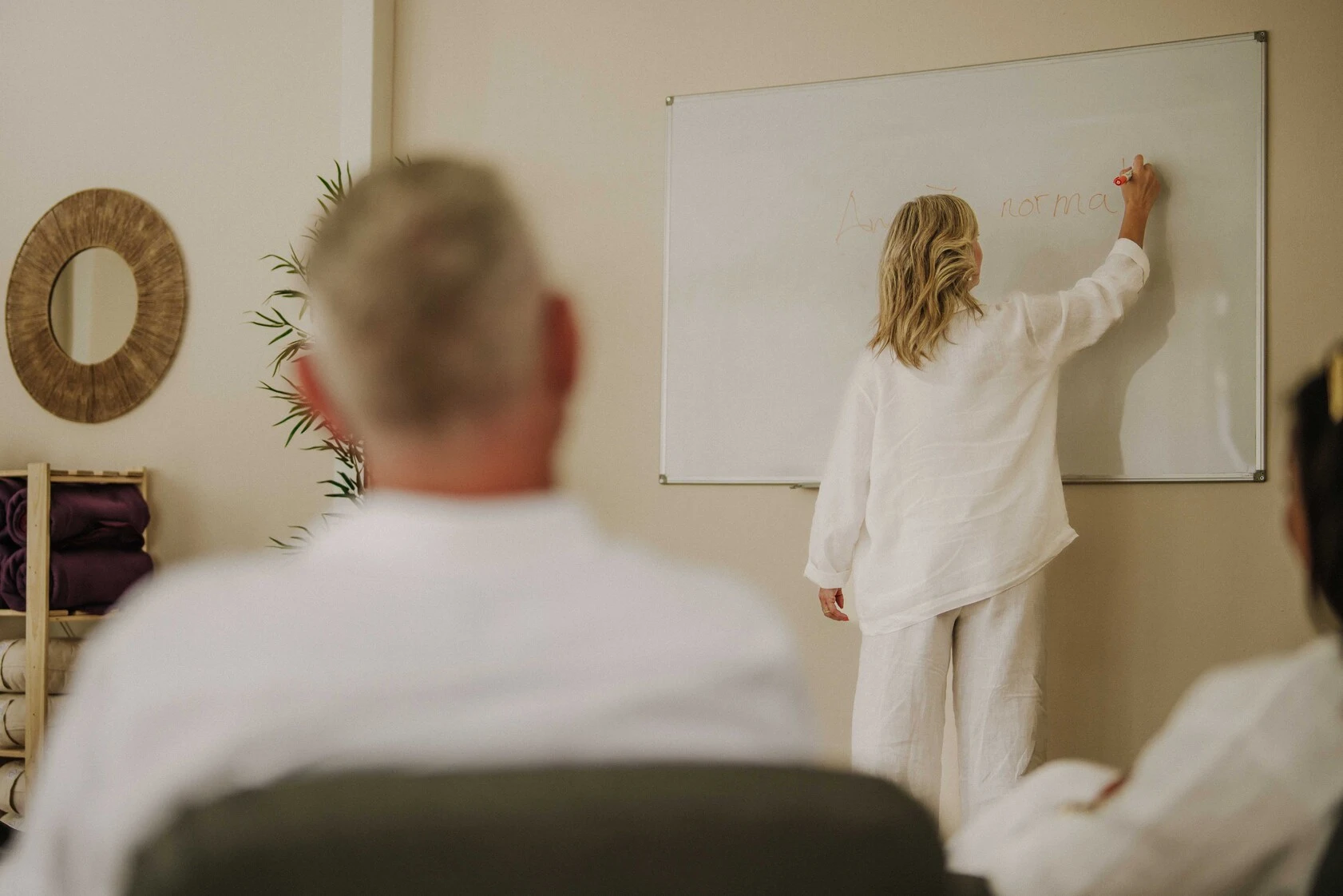
Does Secondary Care Improve Long-Term Recovery Outcomes?
One of the strongest findings in addiction research is that longer engagement in treatment and recovery support is associated with better outcomes.
Addiction is increasingly viewed as a chronic condition, similar in some respects to diabetes or hypertension. Long-term management tends to produce better results than short-term intervention alone. Studies have consistently found that individuals who participate in ongoing recovery support after primary treatment are more likely to:
- Maintain abstinence
- Reduce relapse risk
- Improve emotional wellbeing
- Strengthen relationships
- Develop healthier coping mechanisms
- Remain engaged in recovery communities
While exact recovery statistics vary between studies and individuals, many addiction specialists agree on one key principle: The longer someone remains connected to recovery support, the greater their chances of achieving lasting recovery.
Secondary care provides the opportunity to continue developing resilience, emotional regulation, and healthy habits while receiving guidance when challenges arise.
Is Secondary Care the Same as Sober Living?
This is one of the most common questions people ask. The answer is: not exactly. Sober living is one type of secondary care, but secondary care is broader than sober living alone.
Sober living homes provide a structured, substance-free environment where individuals can continue practising recovery while gradually rebuilding independence. These environments often include:
- Drug and alcohol-free accommodation
- House rules and accountability
- Peer support
- Recovery meetings
- Curfews or structured routines
- Ongoing treatment participation
For many people, sober living can be an excellent option after rehab because it reduces exposure to triggers and provides a supportive recovery community.
However, secondary care may also involve individuals living independently while attending therapy, participating in outpatient programmes, receiving recovery coaching, or engaging in ongoing therapeutic support.
The right approach depends on each person’s unique circumstances and recovery needs.
Who Benefits Most From Secondary Care?
While secondary care can be valuable for anyone completing addiction treatment, it may be particularly beneficial for individuals who:
- Have experienced previous relapses
- Lack a stable home environment
- Have co-occurring mental health conditions
- Are recovering from long-term addiction
- Need additional structure and accountability
- Feel anxious about returning to everyday life
- Have limited recovery support networks
Rather than viewing secondary care as a sign of weakness, many professionals view it as a proactive investment in long-term recovery. The goal is to strengthen recovery before challenges become crises.
How InnerLife Recovery Supports Ongoing Recovery
At InnerLife Recovery, we recognise that lasting recovery extends far beyond the walls of a treatment centre. Recovery is not simply about completing a program. It is about creating a sustainable foundation for life after treatment.
Our approach focuses on helping clients develop the emotional, psychological, and practical tools needed for long-term wellbeing. Through personalised lifetime aftercare planning, ongoing support, family involvement, and holistic therapies, we help individuals continue building on the progress achieved during primary treatment. Because true recovery is not measured by the number of days spent in treatment. It is measured by the quality of life that follows.
Whether someone is seeking help to overcome addiction, behavioural patterns, mental health disorders, or a combination of both; the goal is not just recovery, but long-term transformation. Our international team offers specialized treatment for mental health disorders and addiction.
📞 Reach out today to learn more about our residential treatment programs. We’re here 24/7h available to help you recover and rebuild.
Contact us today for an obligation-free confidential consultation.