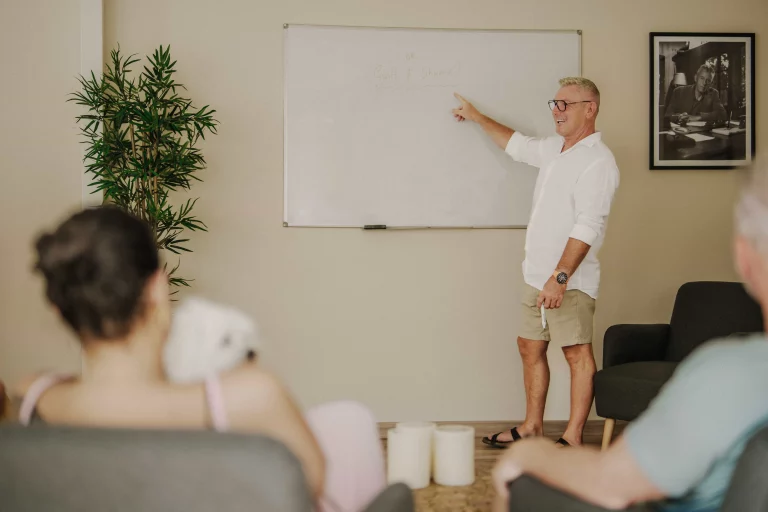
Drug addiction is a growing global concern, affecting millions of people across all ages, cultures, and backgrounds. Substance use, whether through prescription medications, recreational drugs, or illicit substances, can impact physical health, mental well-being, relationships, finances, and overall quality of life.
But addiction is treatable. And one of the most effective ways to begin recovery is through drug detox in a professional rehab setting.
Rehab for drug addiction involves comprehensive treatment programs designed to help individuals overcome their addiction. These programs typically start with drug detox, a medically supervised process where the body is cleansed of the substances. Drug detox is a critical first step, as it addresses the physical dependency on drugs.
Following detox, rehab usually involves various forms of therapy and support. This might include individual counselling, group therapy, and other therapeutic activities designed to address the underlying causes of addiction. The goal is to equip individuals with the skills and strategies needed for long-term recovery.
Drug addiction treatment services understand the complex nature of addiction and offer tailored support to meet each person’s unique needs. Their approach is not just about stopping drug use, it’s about healing the individual as a whole and paving the way for a healthier, happier future. Choosing to begin addiction treatment is a courageous decision, one that can change your life in the most powerful way. If you’re considering attending a 28-day rehab program in Spain, you might be wondering: What exactly happens during those four weeks?
Drug Detox: The First Step Toward Recovery
Detoxification (detox) is the process where the body eliminates drugs or toxins. For individuals with physical dependence, detox is a necessary first stage before deeper therapeutic work can begin.
Because withdrawal can be uncomfortable (or even dangerous), detox is safest when done in a medical environment, where doctors and nurses can monitor symptoms and provide support.
What Is Withdrawal?
Withdrawal occurs when someone stops or reduces use of an addictive substance. Over time, the body adapts to the presence of drugs, making them part of its “normal” function. When that supply is interrupted, the brain and body must readjust.
This can lead to physical and psychological symptoms such as:
- Anxiety
- Tremors
- Nausea
- Pain
- Insomnia
- Mood swings
- Intense cravings
The severity depends on the substance, length of use, dose, and individual health factors.
What Does Detox Involve?
The detoxification process, a crucial part of recovering from addiction, can vary in length and intensity depending on several factors. Typically, the detox timeline aligns with the withdrawal timeline, as withdrawal symptoms are a direct result of the body’s natural detoxification process.
1. Initial Stage
Withdrawal symptoms begin, anywhere from a few hours to two days after last use.
Anxiety, restlessness, sleep changes, and physical discomfort are common.
2. Peak Stage
Symptoms reach their highest intensity.
This phase is the most physically and emotionally challenging.
3. Stabilisation Stage
Symptoms gradually ease as the body adjusts to functioning without drugs.
This is when clients begin to regain clarity, strength, and emotional stability.
Because withdrawal can be unpredictable, 24/7 medical supervision can prevent complications and dramatically increase safety and comfort.
Different approaches
- Cold turkey. Abruptly stopping the substance. This method can lead to intense and immediate withdrawal symptoms.
- Gradual reduction. Slowly decreasing the intake over time, which may result in less severe withdrawal symptoms.

Different Substances = Different Detox Methods
The detoxification process differs significantly among various substances like alcohol, benzodiazepines, opiates, and stimulants.
Alcohol detox
It typically begins within hours after the last drink and includes symptoms like anxiety, tremors, and nausea. Severe cases may experience delirium tremens. Withdrawal generally peaks around 72 hours and can last up to a week or more.
Benzodiazepine detox
Withdrawal symptoms can start within 24 hours and last several days to months, depending on the type. Valium and Xanax, for example, have different detox durations.
Opiate detox
Opiate withdrawal usually begins 8-12 hours after the last use, peaking within the first few days and lasting up to a week. Symptoms vary among different opioids.
Stimulant detox
For substances like cocaine and methamphetamine, withdrawal can start within a few hours to several days after the last dose. The most intense phase lasts about a week, but psychological effects can continue for weeks or months.
Should You Try to Detox at Home?
Home detox might suit those with lower levels of addiction. However, it involves going through detoxification unsupervised, which carries risks. Withdrawal symptoms can be intense, potentially hindering basic self-care like meal preparation and hydration.
Given these challenges, supervised detox is generally safer and more effective, providing necessary support and medical oversight.
Always consider the safety and intensity of withdrawal symptoms when choosing a detox method. Professional guidance and support in rehab can significantly improve the chances of a successful recovery.
Benefits of detox with oversight from medical professionals
- Expert help. Supervised detox offers medical support, crucial for managing potential risks like delirium tremens and dehydration.
- Handling severe risks. Delirium tremens can lead to severe complications like respiratory failure. Dehydration may cause seizures. Both conditions can be life-threatening.
- Support and comfort. Professional supervision ensures vital sign monitoring, basic care, and comfort measures, which are pivotal for a successful detox.
Drug Detox & Addiction: How can InnerLife Recovery help?
At InnerLife Recovery, located in the serene environment of Marbella, Spain, the journey to recovery from drug addiction is tailored and holistic, addressing the unique needs of each individual.
We combine traditional therapies like counselling, cognitive-behavioural therapy (CBT), and 12 Step programs with holistic practices such as yoga, sound therapy, and meditation. This unique approach aims to nurture the mind, body, and spirit, facilitating long-term recovery.
InnerLife Recovery team offers specialized treatment for mental health disorders and addiction. We combine evidence-based therapy with compassionate, individualized care, helping people uncover the pain behind the persona and rediscover their authentic selves. We offer holistic, trauma-informed treatment that addresses both the addiction and the underlying emotional pain.
📞 Reach out today to learn more about our residential treatment programs. We’re here 24/7h available to help you recover and rebuild.
Contact us today for an obligation-free confidential consultation.